
Today machines shape how things work across countless areas. Communication among team members changed completely because of digital tools. Research methods shifted dramatically once new systems arrived. Product creation now moves quicker thanks to smart automation. One method gaining ground lately is building objects layer by layer through printing in three dimensions. This approach grew common as prices dropped sharply. Access opened up widely when devices became simpler to handle. Owning one means setting aside funds for a reliable machine along with decent material spools. Still, there’s more beneath the surface – extra gear often helps smooth out hiccups during operation. Precision improves noticeably with certain add-ons nearby. Speed climbs higher when helpful gadgets sit close at hand.
Starting off, quite a few businesses today handle 3D scanning – take Tangent Solutions, for instance, delivering precise yet budget-friendly options. Instead of jumping straight in, picture this: you’re wondering exactly what 3D Scanning Services means, along with how the process works. Because of that curiosity, stepping back helps – here comes a brief look at the basics of Affordable 3D Scanning Services before anything else.
Table of Contents:
- – 3D Scanning: An Overview
- – How is 3D Scanning Done?
- – Benefits of 3D Scanning Services
- – Choosing the Right 3D Scanning Service
- – 9 Best 3D Scanning Services Available
- – Creating 3D Models Using a 3D Modeling Software
- – Advantages of Using a 3D Modeling Software to Create 3D Models
- – Which is the Best 3D Modeling Software to Use?
- – Conclusion
3D Scanning: An Overview
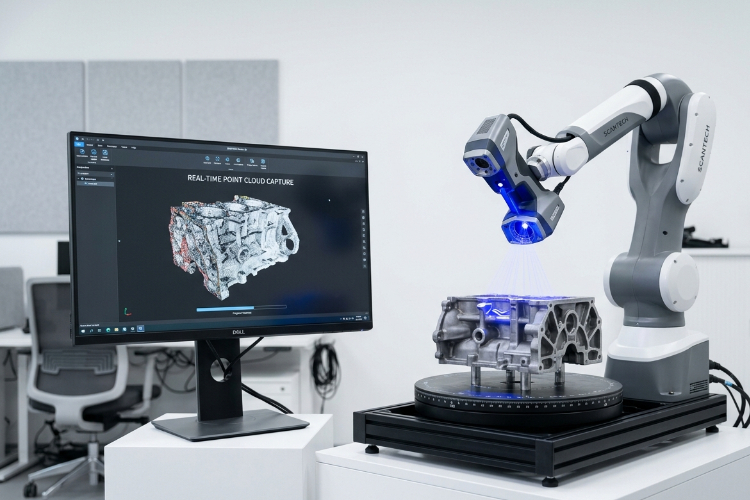
Starting off, 3D Scanning Solutions Malaysia, grabs details about how something sits in space across three dimensions. That information becomes useful when building a digital version shaped just like the real thing. For tasks such as crafting new products or making custom medical supports, it comes into play. Different ways exist to scan, each bringing strengths along with trade-offs. White light makes an appearance often, but so do lasers and patterns of projected light. Starting fast, white light scanning wins on speed and precision – yet the cost bites hard. Moving down, laser methods trade time for lower prices, opening doors without breaking budgets. Sitting mid-tier, structured light balances both worlds, neither rushing nor draining accounts.
With the right approach, Malaysia 3D Scanning might just fit your company’s needs. Since precision matters, it builds exact digital copies of physical items. Because designs evolve, some teams use it to figure out how existing products work. For complex shapes, this process opens doors
beyond basic measurements.
How is 3D Scanning Done?
A shape in space gets recorded through 3D scanning. While different tools exist for this, laser-based devices show up most often. From a scanner, light stretches toward an item’s outer layer – timing how long it takes helps fix each point’s position. Once gathered, these points form a full digital version of the original thing.
Objects like machine components or medical devices often begin as 3D scans. This tech changes fast, getting better bit by bit. Now here’s what these scanning services offer – alongside a few cost-effective options worth knowing about.
Benefits of 3D Scanning Services
One reason people choose 3D scanning? It saves time when capturing complex shapes. Instead of measuring by hand, digital models form fast. For engineers, accuracy matters – this tech delivers precise data every try. Old objects gain new life through exact replicas. Designers skip guesswork since scans show real-world details clearly. When teams collaborate, shared files reduce mistakes across locations. Costs drop because errors in production happen less often. Projects move quicker once the first model exists. Even art restorers benefit, preserving fragile pieces without touch. Safety improves too, especially in risky environments where humans should not go.
Spot-on measurements come from 3D scanning because lasers map every curve of a surface. Since each beam reads tiny details, outcomes stay sharp and consistent. Because light does the work instead of hands, errors drop off quickly. The result? A clear picture down to the smallest bump or dip. With digital eyes doing scans, guesswork fades into the background. Precision sticks around when machines track shape after shape.
A single scan often cuts hours off project timelines. Since measurements lock in fast, teams skip endless back-and-forth. When shapes show up right the first time, rework fades into background noise. Because digital copies hold every curve and edge, testing happens earlier. With fewer physical prototypes, shipping costs drop without notice. Fewer delays pop up when everyone pulls from the same model. As changes flow smoothly, production lines keep moving.When it comes to checking product accuracy, 3D scans offer a clear edge. Since these tools capture fine details fast, spotting flaws takes less time than before.
Starting fresh every time, a company might find its design work sharper when using 3D scans. Since these tools capture real items in full detail, digital versions come out truer to life. Because precision matters, building models from scanned data often leads to better results.
Whatever the object, 3D scanning fits right in. These services adapt easily since different shapes and sizes don’t slow them down.Speed matters more now. With 3D scanning, companies move faster since capturing exact digital versions of items takes just moments. Once scanned, these models help in making products or sharing visuals – without delays. That shift cuts hours off tasks once done by hand. Efficiency rises when waiting ends.
A penny saved shows up when companies try 3D scanning. It trims expenses without loud announcements. Some find budgets breathing easier after switching. Money once lost to guesswork now stays put. Firms small and large notice shifts in spending. Quiet gains add up over time.
Imagine seeing every detail of an object in three dimensions. That kind of clarity often leads companies to smarter choices. Instead of guessing, they rely on precise digital copies made instantly. With a scanner, shapes turn into data without delays. Clear models mean fewer mistakes down the road. Speed plus accuracy changes how teams plan their next steps.
Choosing the Right 3D Scanning Service
Now more companies want digital versions of what they offer. So they turn to 3D scanning, which is catching on fast. Yet picking one that fits isn’t always straightforward. Too many options make it messy to decide. Each choice brings different results, some clearer than others.
Here are a few things to consider when selecting a 3D scanning service:
- 1. What kind of objects do you need to scan?
- 2. What size are the items meant to be scanned?
- 3. How much are you planning to spend on 3D scanning services?
- 4. How soon do you need those scanned items delivered?
- 5. Starting with answers here helps clarify what matters most, guiding you toward a 3D scanning option suited to your company’s needs.
9 Best 3D Scanning Services Available
Different kinds of 3D scanning services exist now. Yet they differ widely in what they deliver.
Cost can be higher for certain ones, while others fall short on detail or functions. When aiming for something affordable yet precise, these stand out among current picks
1. XYZ Scanning
Getting clear 3D scans without spending much is possible through XYZ. Behind every model lies cutting-edge tools doing the heavy lifting. Objects come to life digitally thanks to sharp, accurate captures. Precision matters here – each scan built carefully using modern methods. These digital versions serve many uses, quietly fitting into different needs. Quality stays high while costs stay grounded. The focus? Exact replicas made fast, minus extra noise. Starting off with precision, their 3D scanning fits well with engineers, architects, or designers aiming to build true-to-life digital versions of real-world items. Scanning folks is possible too – resulting files often wind up shaping personalized avatars or fueling VR experiences.
2. Shapeways
A budget-friendly 3D scan choice pops up here – quality output without the steep cost. Different tech tools sit in their kit, each handled by workers who know the craft well. For those chasing lower prices, ShapeWays steps into frame. You reach them online, mainly by sending messages through email
3. Tangent Solutions
Here’s a company that keeps costs low while delivering top-tier 3D printing. Visit their site anytime for quick replies on what they provide. Aside from printing, they handle everything from digital modeling to on-the-go support using portable gear. Reach out via web form or give them a call if you need clarity on specific offerings. Since pricing tends to be reasonable, talking about lower prices might work – especially when planning repeated jobs
4. Surface Scan
This 3D scanning firm delivers sharp, reliable digital models for many different needs. Using up-to-date gear, it records precise shapes of items, humans, and spaces. One moment it handles small products, next shifts to large buildings. Moving beyond scans, it supports 3D printing tasks – simple builds or complex fabrications.
5. Gentle Giant Studio
Tiny details? No problem. GentleGiantStudios handles them with sharp 3D scanning tools built for precision. When real things need to become digital – maybe for printing, designing in CAD, or stepping into VR – their tech delivers. People who know the process guide each step so nothing gets lost along the way. Different scanners sit ready, waiting for the right fit. Matching gear to goals happens naturally once you start talking through what matters
6. Scanman Express
Objects big or small find their digital twin through Scanman Express, using advanced tools that capture detail with precision. Whether it’s design work or rebuilding parts from scratch, their scanners handle a broad range of tasks without missing steps. Accuracy matters most here, so every scan meets strict expectations regardless of purpose. People and companies turn to them when exactness cannot be skipped during creation or analysis. With up-to-date gear running each job, results stay sharp even on complex forms. Whatever the goal – replication, testing, or visualization – the output remains consistent and finely resolved.
7. 3D-Scantech
Out there among tech sites, 3D-Scantech stands with tools that capture shape and depth in fine detail. Scanning gear spans across forms – tiny parts to full-size builds – all handled without fuss. Instead of guessing what fits, users find models ready for precision work right away. Size hardly matters since each device adjusts to its task like a tailor’s hand. Whatever the job asks, one of their systems answers with clear digital replicas.
8. Dsidsc
A single sweep captures how something looks and fits in space, using light or lasers to map its form. From that scan, a digital twin takes shape on screen – ready for tasks like building physical copies, studying design details, or placing it inside simulated worlds. Instead of guessing measurements, machines record every curve and edge precisely. Once saved, this version lives separately from the original, movable across software without wear.
Out of nowhere, Dsidsc jumps into 3D scanning with sharp precision. Instead of just capturing shapes, they shape the results after – tweaking every detail so it fits what you actually need. While some stop at raw scans, these folks keep going, refining outputs until they make sense for real tasks.
9. Laser Design
Out there among options, Laser Design stands by delivering sharp 3D scans no matter the task. Whatever the form or scale of your item, it gets captured – tight detail included. Business uses, factory needs, they handle them all without fuss. Money matters? You get clean results without spending like a big firm. For solid work that doesn’t drain resources, this one fits just right.
Creating 3D Models Using a 3D Modeling Software
After exploring 3D scanning, how scanners build digital models, and some top scanning services, it’s worth glancing at a different method altogether. Instead of capturing real objects, many start fresh – building shapes inside computer programs made for 3D design. Unlike scanning, which copies existing items, these tools let users shape ideas freely on screen. Benefits stack up when choosing software over hardware. For one, precision grows easier when adjusting every angle by hand. Changes happen fast without resurfacing physical parts. Plus, originality thrives since nothing depends on pre-existing forms. Another point – complex details often take less time here than through scan cleanup. Not tied to light or motion errors, the process skips several glitches found in scanner data. With full control baked in, designers tweak geometry down to tiny shifts.
Advantages of Using a 3D Modeling Software to Create 3D Models
Starting fresh opens doors you might not expect. Instead of copying what’s already out there, imagination sets the pace. A 3D scanner traps you in reality – only able to grab shapes that physically sit in front of it. That works well when precision matters. Yet, true invention often lives beyond the visible. Limitations appear where tools define boundaries. Blank space? It asks questions instead of giving answers.
Sharp results matter most when scanning tricky shapes. Objects full of fine parts often confuse standard tools. Software built for 3D work steps in right there. Control shifts fully into your hands once you start shaping digitally. Every curve, edge, or surface answers directly to your choices. What shows up on screen matches only what you decide. Details stay true because you guide each one. The outcome reflects nothing but your input Working with fewer glitches shows an edge here. Though scanning tech improved lately, hiccups pop up more often compared to standard design tools. The reason might lie in the intricate systems behind scans, demanding sharper know-how for smooth handling. Without hands-on scanner background, frustration could outweigh results. A bumpy run feels common when diving in cold.
Over time, it costs less – even though buying scanning tools and design apps means spending at first, picking software usually leads to lower expenses later.
After paying for the app, possibly adding a few learning guides, everything required to build designs stays covered. Devices used for scanning demand frequent maintenance, must be adjusted often, plus get outdated when newer versions appear. In total, going with modeling programs ends up reducing overall spending.
Which is the Best 3D Modeling Software to Use?
Designing pieces in 3D using SelfCAD tools. Shaping each detail by adjusting forms inside the program.
One option among various 3D modeling tools stands out – SelfCAD. This tool manages to be both strong and simple at once. Whether you work with models every day or just start exploring, it fits your pace. Thanks to its range of abilities, it often leads where others lag behind.
Easy to start with – that’s why SelfCAD stands out among 3D tools. Most programs demand a steep learning climb, yet this one skips the confusion on purpose. Without any past practice in shaping digital objects, people still build solid designs fast here.
One big thing about it? Loads of different functions packed in. Creating whatever pops into your head becomes possible through SelfCAD. Simple shapes or detailed figures – either way, the right tools show up when needed. Starting fresh gets simpler thanks to draw-from-zero options. Turning pictures into three-dimensional versions happens smoothly using built-in conversion. Prepping designs for physical prints? That step flows better with slicing ready inside.
Updates keep rolling into SelfCAD, bringing fresh tools and refinements each time. Behind the scenes, a team fine-tunes every detail to lift the experience higher. Over time, it grows right alongside your skills – no feature left behind. When imagination leads, this software keeps pace without missing a beat. For 3D design that adapts, improves, and stays within reach, one option stands clear.
Conclusion
Truth is, good 3D scanning on a budget means solid precision, plenty of tools, plus an interface that doesn’t confuse. Because every project differs, matching the service to what you actually need matters more than reviews. Even if one option falls short, there’s always another path – software such as SelfCAD opens doors without relying on scans. Since choices keep growing, finding something affordable yet effective isn’t rare anymore.
Need a true-to-life digital copy of real-world items? Our 3D scans deliver sharp detail without guesswork. For new products, redesigning parts, or visual previews – accuracy stays consistent. Because every job differs, methods shift to match what you’re building. Talk with us anytime, so we walk through each phase together – from first idea to final file.