
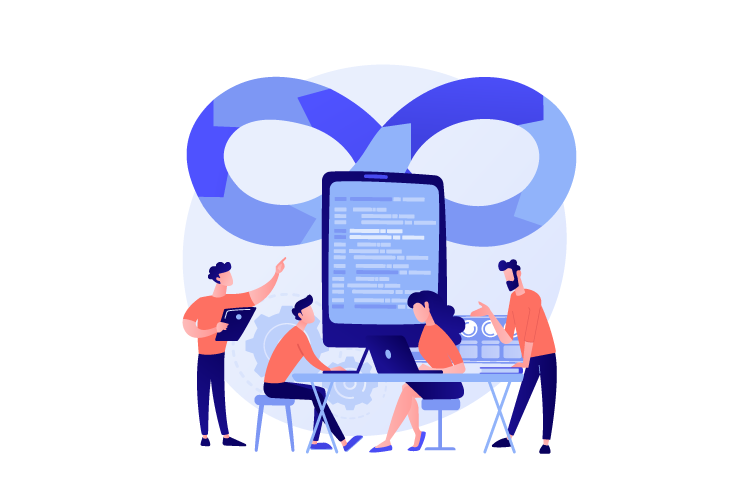
If you are thinking about creating a mobile app for your business, you should be aware of the requirements to execute a mobile app. The following are the eight steps to understanding the mobile app development lifecycle:
Table of Content:
1. Discovery, market research, and mobile app development technology stack

The first step should be to conduct in-depth research regarding your own company, target users, the goal of the user to use your mobile app, platform, budget, mobile app development language and framework, marketing and competitors.
2. Establish the goals and objectives of the mobile app
This is an important step in the development of your mobile app. After you’ve concluded that an app will help you achieve key goals in your mobile marketing strategy, you need to plan out how your app will achieve your goal. Determining the features and benefits of your app is frequently a balancing act between your entire app development budget and your in-house capabilities. However, research reveals that when it comes to selecting functionality, app design should prioritize user’s engagement over exclusive offerings.
3. Wireframes and Storyboards
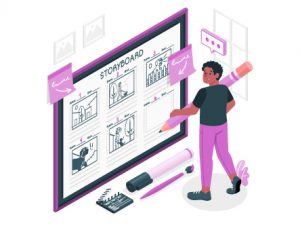
You should have a good concept of the app design and features you want to implement at this step. You should also have created a scope of work that specifies the parts of the process that will be handled in-house and outsourced.
Wireframing your app can be done using a variety of online tools and it will help to create a clear image of your ideas and proposed features that will come together to form a functional app. While a storyboard, or roadmap, should also be created to show the relationships between each screen and how users will navigate through the app.
As you sketch, keep the following tips in mind:
1. Search for opportunities to incorporate your brand into your work.
2. Focus on the user experience.
3. Consider how the user interacts with a mobile app as opposed to a mobile website.
4. Define Your Mobile App’s Backend

The backend structures that need to support your app will be guided by wireframes and storyboards. Many SMEs discover that using a mobile backend as a service (BaaS) platform makes sense because it overcomes typical issues including scalability and a lack of in-house talent. But if you face technical limits in the backend development process, you may need to adjust your wireframes and/or storyboard, so stay flexible at this early stage.
5. Finalize wireframe and test prototype
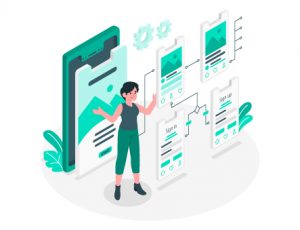
Any changes to your wireframe discovered during the backend planning process should be documented at this step. It is time to develop an interactive prototype when your team has agreed on the wireframe and storyboard.
Prototyping is an important step in the mobile app development process since it allows you to thoroughly assess design concepts, collect feedback, and identify dead links and defects in mobile app flow and usability. It is a good idea to test and assess your prototype with individuals who are not involved in your team. Observe them as they use the app and request comments on its general functionality and usability. Adapt the UI/UX to address any flaws discovered during this stage. Your goal is to complete your app design concept and construct a high-fidelity prototype that will help you navigate the app development process.
6. Developing the app

A variety of phases and processes are involved in the actual development of the app. The developer will have to set up the actual storage solutions, databases, APIs, and servers for the backend app if you are not using an app development platform or mobile BaaS provider.
Remember to create developer accounts for the app stores you plan to use to publish your app if you don’t already have them. This step might take a few days and is easy to be ignored. It is also a good idea to check the app store guidelines to avoid getting your app rejected during the review process. If you’ve hired freelancers to work on your app, make sure you get a non-disclosure agreement signed and set a deadline for deliveries.
Your designer will develop the app real screens for your mobile app at this point. These high-resolution renderings of your wireframes will be the interface your users and use to interact with your app in the future, so make sure your designs take into account all of the ideas and feedback you gathered during the previous testing process.
7. Test the app
After you have a comprehensive app design with engaging images and correctly placed text, you must extensively test your app in a range of real-world circumstances to sniff out and fix any technical faults. You need to return to your original design and planning documents and across each feature again and don’t assume something will work in the final concept just because it did during development.
Observing other users while they test the app is a good idea since they may have queries and insights that you are not aware of because you have been involved in mobile app development since the beginning. You may also utilise one of the online mobile UX testing tools that provide real-time feedback and statistics; several of them operate on a freemium model, making them cost-effective for SMEs. Make sure your images, graphics, and user experience are cross-platform compatible.
8. Official release
Once your app is published, don’t rest on your laurels. you will want to keep your new users engaged. This is a great opportunity to use push notifications to promote a special deal or promotion in order to encourage people to open your app. Consider rewarding users who download your app with a one-time discount or a free product or service. Keep in mind that promoting your app is a continuous activity, and your release-date activity efforts are only just the beginning.
Finally, establish a clear feedback channel and be responsive to your users’ comments and concerns; a fast update or repair can go a long way toward retaining your consumers. Pay attention to your analytics and track the key performance indicators (KPIs) that determine your marketing goals’ success.
If you want to know more about mobile app development, contact us now.