
The Role of 3D Scanning Services
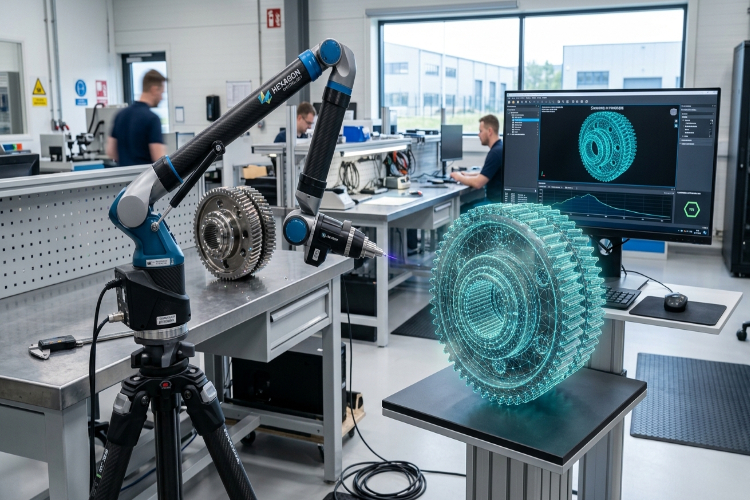
Objects take shape in data form through 3D Scanning – each curve and edge recorded down to the millimeter. Speed shows up right away when you watch it work, far outpacing old rulers or tapes. Instead of sketching by hand, teams now pull exact shapes straight from real items. Because machines do most of the work, errors drop off sharply. Designs evolve quicker once they start with accurate forms. Factories find fewer mistakes during production runs. Even archives change – the way buildings or artifacts get stored shifts completely. From idea to copy, time shrinks without losing detail.
3D Scanning Helps Capture Shape And Size Of Objects
What stands out most is how exact it can be. While old-school hand methods often slip up, digital three-dimensional scans lock in each point down to the millimetre. Getting this close matters a lot if parts need to fit snug or forms twist in tricky ways.
Hours replace days when measuring by hand gives way to Architecture 3D Scanning Malaysia. Moving quicker through tasks leaves room for fewer delays. Faster progress means less waiting, lower costs follow naturally.
Every twist and dip gets recorded when objects are scanned in three dimensions. Because it saves exact shapes along with fine textures, work on accurate replicas becomes easier. With such precise information, choices improve while expensive errors drop off. Details like these make outcomes more reliable without extra guesswork.
How This Works In Real World Settings
Looking at different fields, Industrial 3D Scanning shows real value. Buildings once measured by hand now get captured in full detail through scans. For architects redoing old spaces or adding new sections, exact data matters a lot. Outdated plans fade in importance when live models show current conditions. Digital copies replace guesswork with clarity. Precision comes not from notes but from point clouds built in real time.
When making things, 3D Scanning Machine Malaysia helps check quality while also rebuilding designs from real objects. Picture a broken piece that must be copied – no blueprints, just the physical item. A quick scan captures every curve and edge with precision. Because of this, teams avoid delays waiting for specs. Matching replacements go together without tweaks or guesswork. The process moves faster when shapes come straight from scans.
Perfect fits happen fast in health care because of 3D Scanning For Dental Malaysia scans. Though custom prosthetics once took weeks, now they form precisely using digital models. Dental work adjusts smoothly when shaped from exact jaw readings instead of molds. Orthotics gain better support through body-mapped contours seen only by scanners. A person sits still briefly while light captures their shape – no poking, no pain. Safety climbs since needles and invasive tools step aside for beams that just glide. Comfort grows as waiting shrinks and adjustments fade into background.
Out there among filmmakers and game makers, 3D scans shapes real-looking characters and worlds. With it, digital scenes gain depth you can almost feel.
Choosing A 3D Scanning Service
Picking a good service matters if you want solid results from 3D scans. Try these straightforward pointers when deciding:
1.Start by checking what kind of scanner is being used – some are faster, others more precise. Depending on your needs, the right tool can make a big difference. One size does not fit all when it comes to scanning tech. Match the machine to the job, or results might fall short.
2. Beyond just years on the job, what matters is whether they’ve handled work like yours before. A solid history in your field often shows they know the challenges you face.
3. Start by asking for example images. Looking at trial versions helps show how clear and precise the results might be.
4. Turnaround might surprise you – how quickly they deliver could matter more than expected. Check if their schedule lines up with when you actually need it done.
5. Start by seeking something made to fit. Each job brings its own challenges. The right provider adjusts how they scan and build models. What matters comes down to flexibility.
For those interested in exploring professional options, I recommend checking out this 3D scan service, which specialises in delivering precise and tailored solutions.
Using 3D Scanning To Add Value Across Projects
Start by thinking about where 3D scans fits best in how you work. Instead, look at each step and see where it might save time or reduce errors. Often, a small shift early on brings better results later. For that reason, test it on one project first before rolling it out widely. Because accuracy matters, make sure lighting and surface conditions stay consistent. That way, scans turn out more reliable every single time. While it may seem slow at first, practice helps smooth out hiccups. Over time, using it becomes less effort and feels natural.
Start by thinking through each scan ahead of time. Pick out the main spots or items worth focusing on – this keeps extra clutter out. Instead of rushing, take a moment to spot what truly matters. That way, you skip gathering things you won’t use. Focus shapes better results without filling space with noise.
1.Start by mixing scan results with extra sources. Picture 3D scans sitting next to CAD files, old plans, or map systems – each feeding into the full picture. Layer them so nothing hides.
2. Try running tests through simulations instead of physical trials. A digital version lets you check performance without building anything first.
3. Start by building skills across the group. People working with information need clear ways to manage it well.
4. Start by talking early. Stick near your scanner partner so you both see things the same way, fixing hiccups fast when they pop up.
Start with clear goals, then pick tools that match your needs – this turns 3D scans into something useful instead of just another gadget. Once it fits the task, the process begins to add real value. Done right, it shifts from flashy toy to practical help. Over time, results matter more than the tech itself. Focus stays on outcomes because usefulness grows quietly behind good choices.
Future Of 3D Scanning
Out of nowhere, 3D scans tech keeps changing fast. Tiny new machines cost less money while doing better work than before. With smarter programs in play, turning raw scans into usable models takes far less effort now.
One day, 3D scans might be everywhere – common in offices, labs, studios. Because capturing real life so closely opens doors nobody expected. Think factories making parts sharper than before, museums saving ancient objects byte by byte. Even architects sketching ideas could work faster, differently. Possibilities stretch further than most realize.
Right now, stepping into 3D scans gives people and companies an upper hand when precise models matter. While the world shifts toward digital everything, this tool quietly becomes essential – shaping how things are built, shared, and seen tomorrow.
Start by thinking about 3D scans when your next project needs sharp detail. Experts exist who walk beside you, showing each step without confusion. Precision comes easier with someone who knows the tools well. A solid match means better results than going alone. This tech does more when guided wisely.
Conclusion
Truth be told, 3D scans goes beyond machinery – it opens doors. With precision you rarely find elsewhere, projects gain an edge fast. Seeing how it shifts things in different fields keeps me curious. Instead of sticking to old ways, new paths appear through detailed digital copies. Work moves smoother when built on reliable scans. Products grow sharper because flaws show up early. Success isn’t promised – but chances improve sharply, thus, schedule a consultation today.